
PVC (Polyvinyl Chloride) is a widely used thermoplastic in injetion molding. It’s versatile, has good chemical resistance and is cost efficient. A range of applications are using PVC, such as medical devices, electrical applications and even construction components.
PVC offers a good balance of performance and affordability.
This guide will help to understand what exactly PVC is and how it can be processes via injection molding.

There are 2 main types of PVC material that have completely different applications due to its flexibility and softness.
Applications: Pipe fittings, electrical boxes, window profiles, chemical tank components, construction hardware, medical equipment.
Applications: Flexible gaskets, soft tool grips, electrical connector boots, flexible tubing fittings, automotive interior trim.
PVC is heat- and shear-sensitive during molding. Prolonged exposure to processing temperatures or high shear from resin flowing through narrow areas (such as gates) can cause melt degradation. PVC is corrosive to the mold and molding machine.
PVC and acetal (POM) must never be mixed, even in trace amounts within the same machine. When heated, PVC generates acidic decomposition products that catalyze rapid acetal degradation, leading to violent gas release. Standard purging is insufficient for contamination; best practice is to not run these materials on the same machine.
PVC resin dust can cause skin, eye, and respiratory irritation.
Ventilate the molding machine area. Wear chemical-resistant gloves and goggles. Use a respirator during high-fume/dust tasks (e.g., machine startup, thermal degradation events).
Store PVC resin in a dry, well-ventilated area with sealed containers. Avoid excessive heat for long-term storage.

Stainless steel is recommended for mold steel (resists HCl corrosion), such as 420SS.
Streamlined sprue and gate geometry to minimize shear and stagnant zones.
Hot runners: Use cautiously (open nozzles only, short hot sprue/hot runner setups). PVC must be purged after intermittent delays; the machine/mold must allow purging the hot runner while the mold is open.
PVC may be reground in some applications, but cumulative heat history must be considered (repeated thermal cycles cause degradation).

Some PVC resins process at 200°C; verify actual melt temperature with a probe pyrometer (pull the injection unit to take an “air shot” sample, then insert the probe into the molten resin).
Adequate back pressure (75 psi is a good starting point) removes air bubbles and ensures uniform melt temperature. Excessive back pressure or high RPM causes shear-induced degradation; settings vary by screw type.
Profile injection speed slower for the runner and initial 5% of the part, then increase speed to fill to 98% full. Ensure the process is not pressure-limited (actual injection pressure must stay below the set pressure limit to maintain speed).
Purging material depends on PVC grade (examples: Dyna-Purge D2, ABS, Polystyrene, LDPE). Purge material must have a melt temperature similar to the PVC grade being processed.
For mold storage, spray the mold with an acid neutralizer (to neutralize HCl residues from PVC degradation) followed by a rust preventative to protect mold integrity.

| Name | Country / Origin | Trademark Names | Website |
| Shin-Etsu | Japan | Shin-Etsu PVC (grade series such as TK-xxx) | https://www.shinetsu.co.jp/en/products/infrastructure-materials/polyvinyl-chloride-pvc/ |
| Westlake Chemical | USA | Westlake PVC Resin (grades such as 1091, 1185B, 1195B, 1230P) | https://www.westlake.com/pvc-resin |
| Formosa Plastics | Taiwan | Formolon® PVC | https://www.fpcusa.com/products/formolon-suspension-polyvinyl-chloride-resins/ |
| INEOS Inovyn | UK / Europe | INOVYN™ PVC | https://www.ineos.com/industry/products/polymers/pvc/ |
| Vynova | Belgium | VYNOVA™ PVC | https://www.vynova-group.com/products/pvc/commercial-information |
| KEM ONE | France | Lacovyl®, Kemaia® | https://www.kemone.com/en/general-purpose-pvc/ |
| GEON | USA | GEON® PVC Compounds, GEON® Rigid, GEON® Flex | https://www.geon.com/materials/polyvinyl-chloride-pvc |
| Xinjiang Zhongtai Chemical | China | Zhongtai PVC Resin (commodity grades SG3, SG5, SG8 etc.) | http://www.zhongtaiint.com/ |
| Xinjiang Tianye | China | Tianye PVC Resin (SG-series commodity grades) | http://www.xj-tianye.com |
| Tianjin Dagu Chemical | China | Dagu PVC Resin (DG-series grades such as DG700, DG800) | http://www.tjdagu.com |
| Beiyuan Group | China | Beiyuan PVC Resin (SG-series grades) | http://www.sxbeiyuan.com |
| LG Chem | South Korea | HRTP PVC, BCB PVC, PCR PVC, general PVC | https://www.lgchem.com/product-detail/pvc |
| Orbia (Vestolit) | Germany / Mexico | VESTOLIT® PVC, PRIMEX® PVC | https://www.vestolit.com |
| Hanwha Solutions | South Korea | Hanwha PVC Resin, CPVC specialty line | https://hcc.hanwha.co.kr/en/business/pvc-pvc-resin |
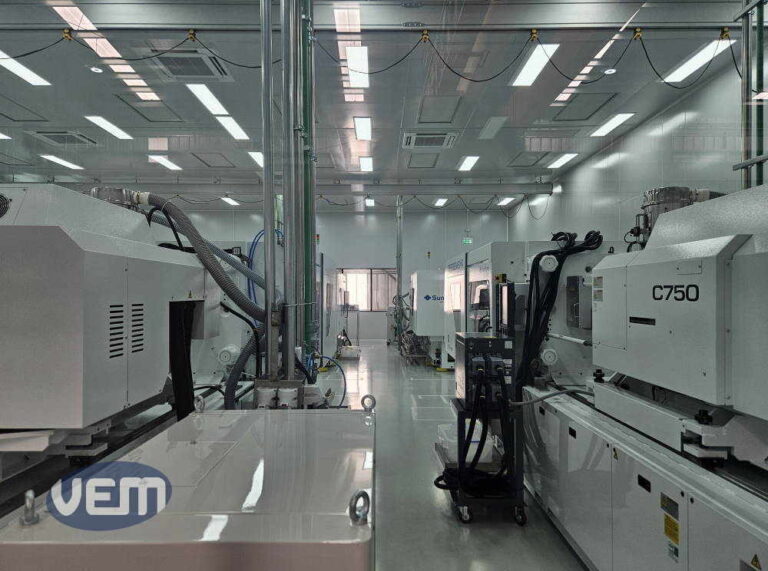
Avoid premature material softening to prevent bridging and inconsistent flow to the screw.
End caps and nozzles are optimized to eliminate stagnant areas and reduce shear.
We have been making various PVC molds and building up a vast knowledge on how to deal with the different properties of it during the molding process.
Let us know if you need help with your project.